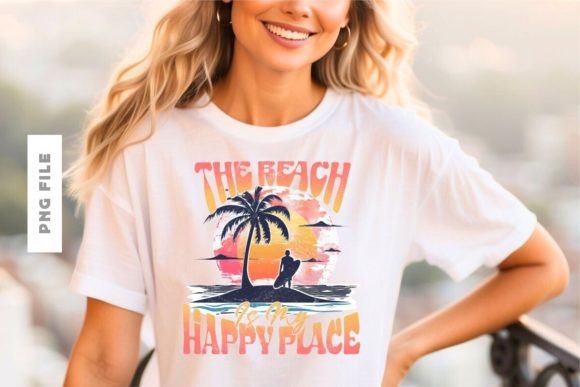
The Beach is My Happy Place Design: Creative Applications & Usage
Imagine instantly evoking a feeling of sun-drenched serenity and coastal escape through a single visual element. This is the power of a well-crafted graphic like The Beach is My Happy Place Design. More than just a picturesque illustration, it serves as a versatile creative asset for designers and brands aiming to communicate a specific mood, lifestyle, or aesthetic. In the realm of visual design, such elements are foundational for building compelling brand narratives and engaging audiences on an emotional level.
Understanding the Design's Core Appeal
At its heart, this design leverages universal themes of relaxation, joy, and nature. Its visual language—likely incorporating soothing blues, sandy neutrals, and organic shapes—taps into established color psychology and modern design trends that favor minimalist yet expressive graphics. For a graphic designer, this translates to a powerful tool for creating immediate visual hierarchy and mood. Whether used as a central logo element or a supporting pattern, it provides a clear focal point that can anchor a entire brand identity or marketing campaign.
Practical Applications Across Creative Projects
The true value of a high-quality design file lies in its adaptability. The Beach is My Happy Place Design is engineered for broad application, making it a valuable addition to any creative professional's toolkit.
- Brand Identity & Logo Design: It can be adapted into a stylized logo mark for businesses in the wellness, travel, or lifestyle sectors, instantly communicating brand values.
- Marketing & Social Media Graphics: Use it as the hero image for Instagram posts, Facebook ads, or digital flyers to create cohesive and eye-catching visual campaigns that stop the scroll.
- Web & UI Design: Implement the design as a section background, illustration, or icon set within a website or app to enhance user experience with thematic visual cues.
- Packaging & Print Design: Its print-ready 300 DPI quality ensures sharp results on physical products, from tote bags and apparel to posters and mugs, supporting both sublimation and screen printing workflows.
- Editorial & Presentation Layouts: Integrate the artwork into magazine spreads, blog post headers, or corporate presentations to add visual interest and break up text-heavy content.
Tips for Effective Implementation
To maximize impact, consider these practical design principles when using such assets:
- Maintain Visual Consistency: Ensure the design's color palette and style align with your existing brand system. Adjust saturation or overlay colors to match your specific color scheme for seamless integration.
- Consider Scale and Context: A design that works as a small icon may need simplification for a large poster. Always test scalability. Its vector-like clarity at 300 DPI is ideal for both small merchandise and large-format prints.
- Balance with Typography: Pair the graphic with complementary typefaces. A clean sans-serif font often works well to let the imagery shine, maintaining readability and a modern aesthetic.
- Respect the Mood: Use the design in contexts that align with its tranquil, positive messaging. It may be less effective for corporate finance materials but perfect for a yoga studio's brand refresh.
Ultimately, incorporating thoughtful, high-resolution graphics like this one streamlines the design workflow, allowing creators to focus on strategy and composition. By selecting assets that offer both aesthetic appeal and technical excellence, designers and business owners can elevate their visual communication, strengthen brand recognition, and create more engaging experiences for their audience across every touchpoint.